
- Modern front yard fences enhance curb appeal, security, and home value by up to 10% (CoreLogic, 2023).
- Popular styles: horizontal slats, glass panels, steel or aluminum frames, and mixed materials.
- Fence screening panels can offer privacy while keeping a modern aesthetic.
- Materials: timber, aluminum, steel, composite, and stone.
- Add greenery or lighting to complement fence design.
- Check local council regulations for height, setbacks, and safety compliance.
Introduction
Your front yard is the first impression guests and passersby have of your home, making fencing a crucial element in home design. Modern fences are no longer just functional—they’re a statement of style, security, and personality.
According to a study by the National Association of Realtors, well-maintained landscaping can increase a home’s value by up to 10% . Similarly, strategic landscaping elements like mature trees, outdoor living spaces, and low-maintenance designs can deliver the best returns.
From horizontal timber slats to sleek steel frames and frameless glass panels, modern front yard fences offer versatile solutions for homeowners seeking both privacy and aesthetic appeal. Fence screening panels are particularly effective for creating discreet spaces without sacrificing a contemporary look.
This guide provides actionable advice for homeowners on selecting materials, exploring styles, integrating lighting and landscaping, and maintaining fences for long-term beauty and durability. With these insights, you’ll be ready to design a front yard fence that complements your home and leaves a lasting impression.
Why Modern Front Yard Fences Are Worth the Investment
Modern fences do more than delineate property boundaries—they enhance your home’s visual appeal, privacy, and security. According to the Housing Industry Association, modern fencing can increase curb appeal, attract buyers faster, and contribute to higher property valuations.
Key benefits include:
- Privacy: Fence screening panels and horizontal slats create intimate outdoor spaces while maintaining a sleek, open look.
- Security: Durable materials like steel, aluminum, and reinforced timber deter intruders while providing a sense of enclosure.
- Curb Appeal: Contemporary designs elevate property aesthetics, especially when combined with landscaping and lighting.
- Low Maintenance: Modern materials like aluminum, steel, composite, and glass require minimal upkeep compared to untreated timber.
Actionable Tips:
- Pair fencing with landscaping for a unified design.
- Use panels or slats strategically for privacy without fully enclosing your yard.
- Consider long-term maintenance before selecting materials to ensure ongoing value.
Popular Materials for Modern Front Yard Fences
Choosing the right material impacts your fence’s durability, aesthetics, and maintenance.
Timber Fences: Warmth and Style
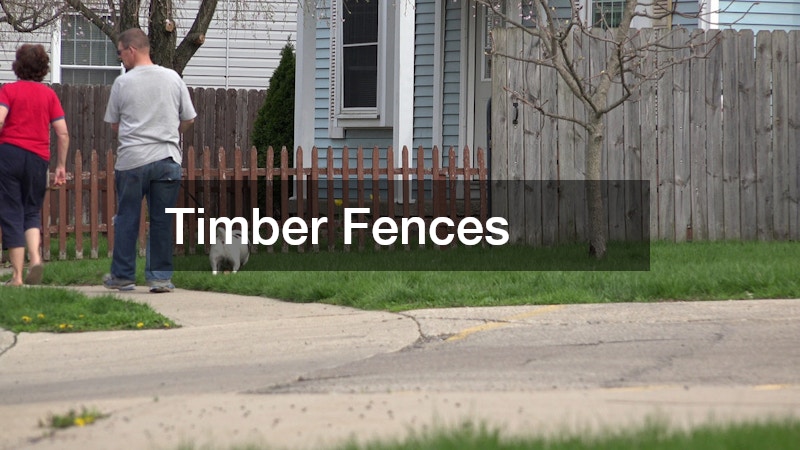
Timber remains a classic choice for modern fencing. Horizontal timber slats offer a clean, sleek look while retaining a natural feel. Popular species include treated pine, cedar, and hardwood. Regular sealing, staining, or painting protects timber from weathering and termites.
Steel and Aluminum: Durable and Low-Maintenance
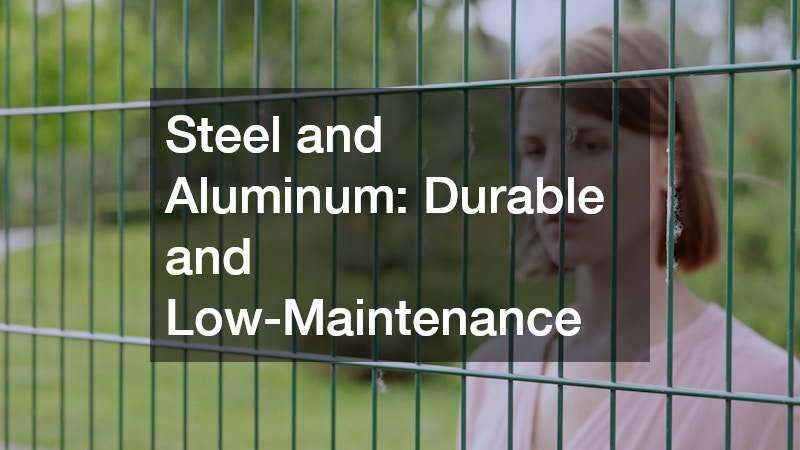
- Steel: Offers structural strength and a bold modern look, perfect for minimalist or industrial-style homes.
-
Aluminum: Lightweight, corrosion-resistant, and ideal for coastal environments. Both metals can be paired with timber or glass accents for mixed-material designs.
Glass Panels: Sleek and Minimalist

Frameless or semi-framed glass panels create openness and showcase landscaping. Comply with AS1288 using tempered or laminated glass. Glass pairs well with steel or aluminum frames for a contemporary feel.
Composite and Stone: Modern and Practical

Composite panels mimic timber with minimal upkeep. Stone pillars or retaining walls add elegance, texture, and permanence. Combining these materials balances durability with aesthetics.
Material Comparison Table
| Material | Pros | Cons | Average Cost (AUD) | Maintenance |
|---|---|---|---|---|
| Timber | Natural look, versatile | Requires sealing, weathering | 80–150/m | Annual sealing |
| Steel | Strong, bold appearance | Can rust if coating damaged | 150–300/m | Touch-up paint |
| Aluminum | Lightweight, corrosion-resistant | Less sturdy than steel | 120–250/m | Occasional clean |
| Glass | Modern, open feel | Expensive, safety concerns | 250–350/m | Regular cleaning |
| Composite | Low maintenance, durable | Higher initial cost | 180–280/m | Minimal |
| Stone | Elegant, permanent | Heavy, expensive | 300–500/m | Minimal |
Actionable Tip:
Select materials suitable for local climate, maintenance commitment, and desired aesthetic.
Modern Front Yard Fence Styles
Choosing the right style for your modern front yard fence is just as important as selecting materials. A well-designed fence should complement your home’s architecture, reflect personal taste, and balance privacy, security, and curb appeal. Below are popular contemporary fence styles with practical insights and actionable tips.
Horizontal Slat Fences
Horizontal slat fences are a hallmark of modern design, offering a clean, minimalist aesthetic that works well with contemporary homes. These fences typically use timber, aluminum, or steel slats arranged in a linear pattern to create a sleek, streamlined appearance. Homeowners can adjust the spacing between slats to allow light and airflow while maintaining discretion.
This style is highly versatile and pairs beautifully with fence screening panels, which provide added privacy for patios, front terraces, or urban yards. Horizontal slats are ideal for enhancing curb appeal, creating a modern look while remaining functional and low-maintenance. For those seeking extra style, consider mixing materials—such as timber slats with steel posts—to add texture and visual interest.
Minimalist and Frameless Designs
Minimalist fencing emphasizes simplicity, geometric precision, and subtle elegance. Slim posts in neutral colors like black, gray, or natural timber complement modern architectural lines, while frameless or semi-framed glass panels maintain openness without sacrificing security.
This style enhances modern home architecture, making yards feel larger and more inviting. It’s perfect for urban homes where visibility and natural light are priorities. Minimalist fences can also integrate vertical gardens or climbing plants, enhancing greenery while maintaining clean lines.
Mixed Material Fences
Mixed material fences combine elements like timber, steel, aluminum, glass, or stone to create durable, visually striking designs. For instance, timber slats set between steel posts or a stone base adds depth, contrast, and structural strength.
This style allows homeowners to highlight specific areas—such as entryways or corner fences—while keeping other sections simple and functional. Mixed material fences are ideal for those who want a custom, high-end look without the uniformity of a single material. They also provide flexibility in balancing privacy, ventilation, and aesthetic appeal.
Decorative Patterned Panels
Decorative patterned panels, often laser-cut or CNC-cut, allow homeowners to introduce artistic flair and individuality to their front yard fences. Patterns can range from geometric motifs to abstract designs, providing both functional privacy and a visually captivating focal point.
These panels work well when strategically placed along property boundaries, driveways, or front entryways, creating an eye-catching element while complementing the overall modern aesthetic. Pairing these panels with horizontal slats or mixed materials can create a layered, dimensional look.
Actionable Tip
Before committing to a full installation, visualize your fence design using 3D software or test a small section on-site. This allows you to assess light, airflow, privacy, and overall curb appeal, ensuring your modern fence fits perfectly with your home’s architecture and landscaping. Additionally, consider how your chosen style interacts with front yard landscaping, pathways, and lighting, as these elements collectively define your property’s visual impact.
🏡 Modern Front Yard Fence Styles
| Style | Key Features | Pros | Cons |
|---|---|---|---|
| Horizontal Slat Fence | Horizontal slats, clean minimalist look, adjustable spacing | Modern & customizable, good airflow | Requires maintenance depending on material |
| Minimalist & Frameless | Slim posts, neutral tones, frameless glass panels | Sleek, unobstructed views, elegant | Less privacy, higher cost |
| Mixed Material Fence | Combination of timber, steel, aluminum, glass, or stone | Unique design, durable, premium appearance | Expensive, complex installation |
| Decorative Patterned | Laser-cut metal panels, artistic focal points | Eye-catching, modern | Less privacy, may require anti-rust treatment |
Actionable Tip: Before committing to a full installation, visualize your fence design using 3D software or test a small section on-site. This allows you to assess light, airflow, privacy, and overall curb appeal, ensuring your modern fence fits perfectly with your home’s architecture and landscaping.homify.co.uk
Enhancing Your Modern Fence with Landscaping and Lighting
A modern front yard fence can stand out on its own, but integrating landscaping and lighting elevates both style and functionality. Thoughtfully combining plants, greenery, and lighting can transform your fence from a boundary into a visually striking feature that enhances curb appeal, safety, and the overall ambiance of your outdoor space.
Landscaping Integration:
Greenery softens the hard edges of modern fences, creating a harmonious balance between architecture and nature. Low hedges, ornamental grasses, and flowering plants can complement horizontal slats, glass panels, or steel frames, providing depth and texture. Vertical gardens or climbing plants can be attached directly to fencing or fence screening panels, offering additional privacy while maintaining airflow and natural light. For Australian climates, consider hardy, drought-tolerant species such as Westringia, Lomandra, or Kangaroo Paw, which require minimal maintenance while adding color and structure to your front yard.
Lighting Integration:
Outdoor lighting not only highlights your fence’s design but also increases safety and security. Strategically placed LED strips, solar lights, or recessed spotlights can accentuate horizontal slats, decorative panels, or mixed-material sections. Lighting along pathways, posts, or garden beds can also create depth and a welcoming nighttime ambiance. For example, illuminating timber slats from below creates a warm glow, while backlighting frosted glass panels emphasizes modern sophistication.
Functional Benefits:
Combining landscaping with lighting enhances usability. A well-lit, green-lined fence improves visibility for guests, deters intruders, and provides a sense of enclosure without feeling restrictive. Moreover, integrating plants and lighting supports sustainability—solar-powered lights reduce energy consumption, while native plants minimize water usage.
Actionable Tips:
- Select plants that suit your local environment and fence style.
- Use climbing or vertical plants on panels to maintain privacy and modern aesthetics.
- Position lights to highlight key fence features and improve safety along paths.
- Mix textures and colors to create contrast and interest without cluttering the space.
By blending landscaping and lighting with your modern fence, you create a dynamic, functional, and visually appealing front yard that stands out while remaining practical. This approach ensures that your fence is more than just a boundary—it becomes a focal point that complements your home’s architecture and enhances its outdoor living experience.
Maintenance Tips for Long-Lasting Modern Fences
A modern front yard fence is an investment in both style and functionality. Regular maintenance ensures your fence retains its aesthetic appeal, structural integrity, and value over time. Different materials require different care routines, and understanding these can save homeowners significant time and cost in the long run.
Timber Fences:
Timber offers warmth and natural beauty but is susceptible to weathering, rot, and termite damage. Inspect your timber fence at least twice a year for signs of decay, warping, or insect activity. Apply a protective sealant or stain annually to preserve color and prevent moisture damage. In coastal or high-humidity regions of Australia, additional water-repellent treatments can prolong the lifespan of timber fences.
Steel and Aluminum Fences:
Metal fences are durable and low-maintenance, but steel may develop rust if protective coatings are damaged. Inspect metal fences annually and touch up any scratched or chipped areas with anti-corrosion paint. Aluminum is naturally resistant to rust, making it ideal for coastal properties, but occasional cleaning with mild detergent will keep it looking sleek.
Glass Panels:
Glass fences add a modern, open aesthetic but require careful maintenance. Clean panels regularly with a non-abrasive glass cleaner to remove dirt, watermarks, and smudges. Check the integrity of mounts and frames, ensuring screws and supports are secure. Australian Standard AS1288 recommends tempered or laminated glass for safety, which should also be inspected periodically for cracks or chips.
Fence Screening Panels: Panels, often made from timber, metal, or composite, should be checked for warping, bending, or corrosion. Ensure panels remain securely fastened to posts and that any decorative or functional features are intact.
Actionable Tips for Longevity:
- Perform seasonal inspections, particularly after heavy rain, storms, or strong winds.
- Clean fences at least twice a year to remove debris, dirt, and algae, especially in damp areas.
- Apply protective coatings for timber and metal as needed to extend life.
- Trim vegetation near fences to prevent moisture retention and damage.
- Address minor repairs promptly to avoid larger, costly problems later.
By following a regular maintenance routine, homeowners can ensure that modern front yard fences remain visually appealing, functional, and safe for years. Proper care not only preserves the design integrity but also enhances curb appeal, making your fence a long-lasting investment in your property’s overall value.
Budget-Friendly Modern Fence Ideas
Modern front yard fences don’t have to be expensive. With careful planning, homeowners can achieve a stylish, contemporary look while staying within budget. Choosing the right materials, design, and installation method can significantly reduce costs without compromising quality or aesthetics.
Material Selection:
Timber, aluminum, steel, glass, and composite all vary in cost. Timber and composite panels are often the most budget-friendly, offering modern appeal at a fraction of the price of glass or premium steel. Composite panels, while slightly more expensive than timber, reduce long-term maintenance costs because they don’t require annual staining or sealing. Mixing materials strategically, such as combining timber slats with stone pillars, can create a high-end look without the high-end price.
DIY and Modular Options:
For homeowners willing to take on a DIY approach, pre-fabricated panels and modular fencing systems can significantly reduce labor costs. Pre-assembled panels for timber, aluminum, or steel fences are available in various designs and sizes, allowing homeowners to install sections quickly and easily. DIY installation of fence screening panels in key privacy areas can also reduce professional installation fees while maintaining a modern appearance.
Design Strategies:
Minimalist designs with clean lines and fewer materials can be more cost-effective. Horizontal slats, simple steel or aluminum posts, or single-material panels require less labor and fewer materials. Decorative or mixed-material accents can be added selectively to feature areas like entry gates, property corners, or around garden beds, keeping overall costs down.
Cost Comparisons in Australia:
On average, timber fences cost between AUD 80–150 per linear meter, aluminum ranges from AUD 120–250, steel from AUD 150–300, and glass panels from AUD 250–350. Composite panels fall in the AUD 180–280 range. Considering both upfront cost and long-term maintenance will help homeowners choose the most budget-friendly option for their needs.
Actionable Tips:
- Combine low-cost materials with selective premium accents to create a modern look on a budget.
- Consider DIY or modular panel installation to reduce labor expenses.
- Use strategic placement of decorative panels or fence screening panels to maximize privacy and visual interest without overspending.
- Compare multiple suppliers to find the best value for quality materials.
By balancing materials, design, and installation methods, homeowners can achieve a stylish, modern front yard fence that enhances curb appeal and functionality without exceeding their budget. Thoughtful planning ensures both cost-effectiveness and lasting impact.
Compliance and Safety Considerations in Australia
Installing a modern front yard fence requires careful attention to local regulations and safety standards. Rules vary by council, so it’s important to confirm requirements before starting your project.
Council Regulations:
Most councils set limits on front fence heights, typically between 1.2–1.8 metres, with side and rear fences often allowing more flexibility. Some councils also have setback requirements from property boundaries. Checking your council’s website or speaking with a planning officer helps avoid fines or modifications later.
Safety Standards:
Glass panels should comply with AS1288, using tempered or laminated glass to reduce injury risk. Steel and aluminum fences should be securely installed to withstand strong winds and general wear. For properties with pools, fences must meet the relevant pool safety regulations to ensure compliance and safety.
Visibility and Accessibility:
A fence should provide privacy while maintaining sightlines for driveways and pedestrian areas. Proper gate placement ensures easy access for bins, maintenance, and emergency services.
Actionable Tips:
- Check council guidelines first: Confirm height limits, setbacks, and approvals.
- Use compliant materials: Ensure glass panels meet AS1288 and that all other materials are structurally sound.
- Plan for visibility and access: Avoid blocking driveways, intersections, or pedestrian paths; leave sufficient space for daily use and maintenance.
- Pool fencing: Make sure fences meet required safety regulations.
Following these practical tips ensures your modern front yard fence is both stylish and compliant, providing safety, privacy, and long-term functionality.
FAQs / People Also Ask
Q1: What is the most durable material for a modern front yard fence?
Steel and aluminum are among the most durable options. They are low-maintenance, resistant to rust and corrosion, and provide long-lasting structural strength. Timber can also be durable if treated and maintained properly.
Q2: How can I increase privacy without blocking light?
Using horizontal slats, decorative panels, or fence screening panels allows for filtered light and airflow while maintaining privacy. Adjusting the spacing of slats or panels can balance openness with seclusion.
Q3: How much does a modern front yard fence cost?
Costs vary depending on materials, height, and design. Timber fences typically range from $80–$150 per linear metre, aluminum $120–$250, steel $150–$300, and glass panels $250–$350. Composite panels fall between $180–$280 per linear metre.
Q4: Are glass fences safe for children and pets?
Yes, as long as they use tempered or laminated glass that meets safety standards. Regular inspection ensures panels and frames remain secure.
Q5: How do I choose the right style for my fence?
Consider your home’s architectural style, your privacy needs, and the desired level of maintenance. Minimalist horizontal slats, mixed materials, or decorative panels can all create a modern, cohesive look.
Q6: Can I mix materials for a modern aesthetic?
Absolutely. Combining timber, steel, aluminum, glass, or stone adds texture and visual interest. For example, timber slats between steel posts or stone pillars can create a stylish, contemporary boundary.
Q7: What maintenance is required for modern fences?
Maintenance depends on the material: timber requires sealing or staining annually, metal needs occasional cleaning and touch-ups, and glass should be cleaned regularly with non-abrasive cleaners. Seasonal inspections help prevent minor issues from becoming costly problems.
Key Takeaways
Modern front yard fences seamlessly blend aesthetics, functionality, and value, transforming your property’s exterior. Materials like timber, steel, aluminum, glass, and composite offer diverse styles to suit different home designs. Incorporating fence screening panels can provide discreet privacy while maintaining a contemporary look. These panels enhance seclusion and add a stylish, decorative element to your fence design.
Integrating landscaping such as shrubs, vertical gardens, or climbing vines softens the appearance of the fence and creates a more harmonious outdoor environment. Strategically placed lighting not only highlights architectural features but also improves visibility and safety at night. For ideas on combining fences with landscaping, see Better Homes & Gardens: Outdoor Privacy Ideas.
Regular maintenance is essential for ensuring the longevity of your fence. Cleaning, seasonal inspections, and timely repairs will help maintain both appearance and structural integrity. Additionally, complying with local council regulations regarding fence height, material use, and placement is crucial to avoid legal issues. For guidance on modern fencing standards and designs, refer to Houzz: Modern Front Yard Fence Ideas.
A well-designed modern fence enhances curb appeal, boosts property value, and leaves a lasting impression on visitors. By thoughtfully selecting materials, incorporating privacy solutions like fence screening panels, integrating landscaping and lighting, and performing regular maintenance, homeowners can create a secure, visually appealing, and long-lasting front yard boundary.
About the Author

