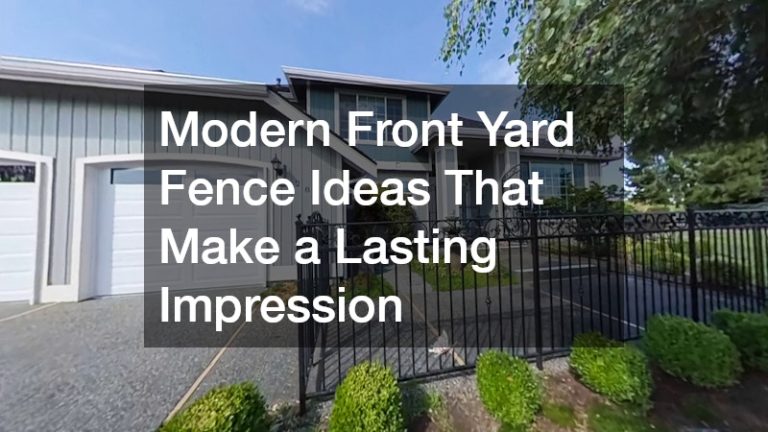
Fence Screening Panels
- Fence screening panels are an affordable, stylish way to add privacy and enhance your home’s curb appeal.
- Materials range from timber and bamboo to composite, PVC, and metal, each offering unique benefits.
- Decorative panels double as design features while improving noise reduction and airflow.
- DIY installation is possible, but professional help ensures long-lasting durability.
- Integrating panels with landscaping creates a natural, modern look.
- Homeowners exploring modern front yard fence ideas can use screening panels to balance privacy with aesthetics.
- Proper maintenance extends lifespan and saves costs in the long run.
Introduction
Your front yard is more than just an outdoor space—it’s the first impression your home makes. Whether welcoming guests, protecting your privacy, or enhancing curb appeal, the right fence plays a crucial role in balancing function and design. In recent years, fence screening panels have emerged as one of the most popular solutions for homeowners. They go beyond traditional boundary fences by offering stylish, customizable privacy while blending seamlessly with modern home aesthetics.
Fence screening panels are available in a wide range of materials—from natural timber slats to powder-coated steel, composite, and even eco-friendly bamboo. Their versatility makes them a perfect choice for creating a barrier that feels less like a wall and more like an extension of your home’s personality. Unlike older styles that focused mainly on durability, today’s designs combine security, privacy, and modern front yard fence ideas into one cohesive look.
As property trends show, homeowners are increasingly investing in outdoor upgrades that improve both liveability and property value. Fence screening panels are not just functional—they’re a design statement. In this guide, you’ll find actionable tips, expert-backed insights, and practical advice to help you choose, install, and maintain the perfect screening panels for your front yard.
What Are Fence Screening Panels?
Fence screening panels are modern, decorative barriers designed to provide privacy, shade, and style to outdoor spaces. Unlike traditional fences that primarily serve as property boundaries, screening panels add an extra layer of design and function. They are often constructed from materials like timber, metal, composite, PVC, or bamboo and come in various styles—solid, slatted, or patterned—to suit different home aesthetics.
The purpose of fence screening panels goes beyond security. Homeowners install them to block unwanted views from neighbours, reduce street noise, and create cozy, defined spaces for outdoor living. They also help with sun protection, wind control, and even landscaping, as some panels are used to support climbing plants for a natural, green privacy wall.
Common Uses
- Front yards: Enhance curb appeal, match architectural design, and establish a welcoming yet private entrance.
- Backyards: Create secluded lounging or entertaining areas, shield pools or patios, and reduce visibility from neighbouring properties.
- Gardens: Serve as decorative backdrops for plants, support vines, or act as windbreakers while maintaining visual charm.
Fence Panels vs. Fence Screening Panels
While fence panels form the core boundary of a property, fence screening panels act as an overlay or extension. Fence panels are structural, defining lot lines and providing security. In contrast, screening panels are typically lighter, semi-decorative, and can be installed over existing fences or as standalone design features. They give homeowners flexibility to upgrade privacy and style without committing to a full fencing rebuild.
Industry Insight
The popularity of screening panels reflects a wider trend. According to IBISWorld, the fencing industry in Australia generates over $2 billion annually, with strong growth driven by homeowners investing in modern, stylish fencing solutions. This highlights how screening panels have become more than an accessory—they’re a mainstream upgrade in contemporary home design.
Benefits of Using Fence Screening Panels
Privacy Without Compromising Style
One of the main reasons homeowners invest in fence screening panels is to create privacy without losing design appeal. Unlike traditional block walls or solid fences, outdoor privacy screens strike a balance between seclusion and elegance. Homeowners can choose decorative fence panels with laser-cut patterns, timber slats, or bamboo finishes that provide privacy while still allowing airflow and light. This makes them ideal for creating a front yard privacy fence or a cozy backyard retreat where families can relax without feeling boxed in.
Improved Street Appeal
A well-designed fence screening panel doesn’t just protect your space—it boosts curb appeal. According to Realestate.com.au, properties with enhanced street appeal can sell for up to 10% more, which shows how important visual aesthetics are to home value. Installing modern fence panels or garden screening panels can instantly refresh the look of your property, making it stand out in the neighborhood. From contemporary slat fence screens to rustic bamboo, the right style contributes to a cohesive exterior design that buyers and guests notice immediately.
Noise and Wind Reduction
Beyond aesthetics, certain fence screening materials offer functional benefits such as noise and wind reduction. Bamboo panels, for example, have been used as natural sound barriers in urban areas, reducing outside noise and creating a more peaceful outdoor space. Similarly, timber fence screens and thicker composite panels can act as effective windbreaks, making outdoor living areas more enjoyable year-round. This makes them an excellent choice for families who love spending time in their gardens or outdoor entertainment zones.
Low-Cost, Flexible Options
Compared to building full brick walls or tall timber fences, fence screening panels are a cost-effective solution. They offer flexibility in design and installation, making them popular among DIY fence screening enthusiasts. First-time homeowners often choose affordable fence panels as a quick way to enhance both privacy and style without a major financial commitment. Because these panels are available in a wide variety of materials—including wood, metal, PVC, and bamboo—there’s an option for every budget and design preference.
Types of Fence Screening Panels (Materials Guide)
When choosing the right fence screening panels for your property, homeowners often weigh aesthetics, functionality, and maintenance needs. The material you select plays a significant role in how well your screen performs—whether you’re after privacy fence ideas, low-maintenance fencing, or a stylish addition to boost curb appeal. Below are the most popular types of fence screening panels and their unique benefits.
Timber Panels
Timber screening panels are a timeless choice that naturally blends with garden landscapes and greenery. They bring warmth and a rustic appeal to both front and backyards. Timber can be stained or painted to match your outdoor living space, making it versatile for traditional and modern homes alike. However, regular maintenance is essential—sealing and oiling help prevent weathering, warping, and termites. For homeowners who value natural beauty, timber remains one of the most adaptable backyard privacy solutions.
Bamboo Screens
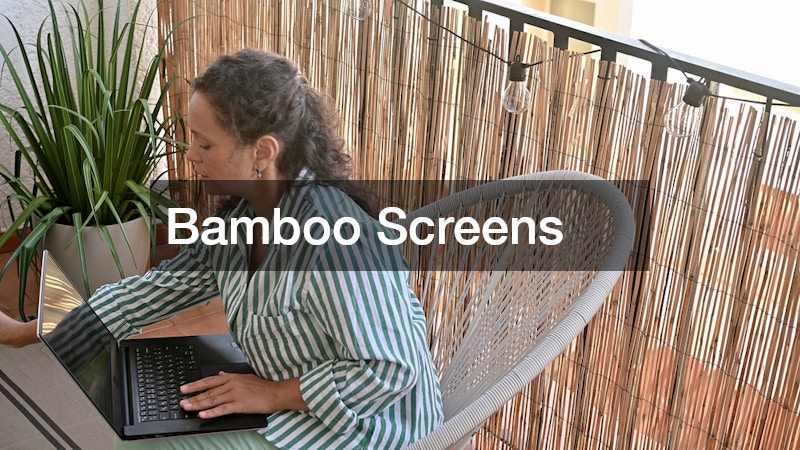
Bamboo is increasingly popular among eco-conscious homeowners seeking sustainable garden fencing. Fast-growing and renewable, bamboo screens deliver a tropical, relaxed vibe that suits coastal or resort-style properties. They also offer excellent privacy while allowing some airflow, making them perfect for modern garden design. However, bamboo needs protection from excess moisture to extend its lifespan. Many homeowners use bamboo as a stylish yet affordable way to enhance outdoor retreats.
Composite Fence Screening
Composite panels combine recycled wood fibers with durable plastics, resulting in a material that is both weather-resistant and low-maintenance. Unlike timber, composite panels don’t require staining or sealing, making them ideal for busy homeowners. They’re available in sleek, modern finishes that align with contemporary front yard fence ideas. Highly durable and resistant to rot, termites, and fading, composite screening is a long-term investment for those who want stylish fencing without constant upkeep.
Metal Screening Panels
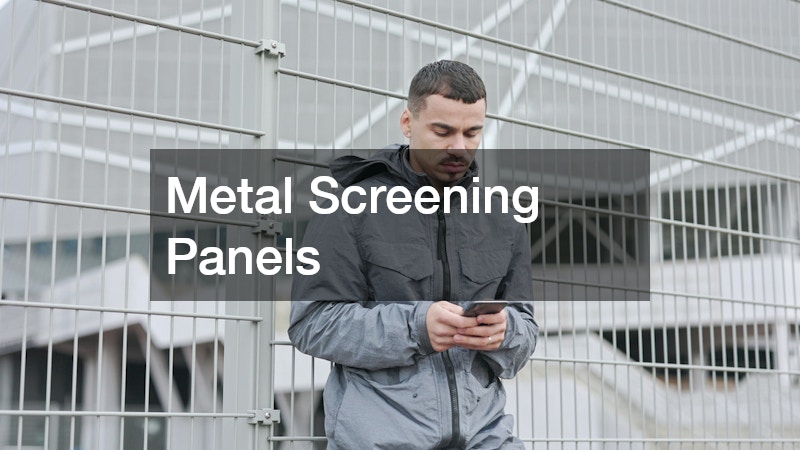
Metal fence screens, particularly laser-cut decorative panels, bring a striking architectural element to outdoor spaces. They’re highly durable, resistant to pests, and can double as security fencing. Designs range from geometric cut-outs to nature-inspired motifs, offering homeowners endless ways to personalize their outdoor privacy screens. While more expensive upfront, metal panels provide long-term value due to their longevity and minimal maintenance needs.
PVC / Vinyl Panels
PVC or vinyl screening panels are budget-friendly and lightweight, making them a popular choice for DIY enthusiasts. Available in various colors and finishes, vinyl panels are easy to install and require little maintenance beyond occasional cleaning. They’re also resistant to rot and termites, making them practical for homeowners looking for affordable low-maintenance fencing solutions. While not as high-end as composite or metal, PVC screens remain an excellent entry point for those who want quick and effective privacy upgrades.
Design Inspiration – Stylish Ways to Use Fence Screening Panels
Vertical Gardens and Green Screens
One of the most creative ways to use fence screening panels is by transforming them into vertical gardens. Homeowners can pair timber screening panels or bamboo fence screens with climbing plants such as ivy, jasmine, or bougainvillea. This not only softens the look of the structure but also creates a natural privacy wall that blends seamlessly with the garden. For small backyards, vertical gardens are a clever solution to maximise greenery without occupying ground space. Many modern backyard screening ideas incorporate planter boxes at the base of the panels, giving homeowners a functional and stylish way to merge nature with fencing.
Decorative Laser-Cut Designs
For those who want their fence to be more than just a barrier, laser-cut metal fence panels provide an artistic solution. These designs often feature geometric, floral, or abstract patterns that allow light and airflow while maintaining privacy. Popular in contemporary front yard fence ideas, decorative screening panels can also serve as feature walls in outdoor entertaining areas. With powder-coated finishes, metal screens withstand harsh weather while offering a sleek, modern look. This type of design adds a luxurious touch to both front yard fences and backyard entertaining zones.
Mixed Materials for a Contemporary Look
Mixing materials is a growing trend in modern fence design. Combining timber with metal screening, or pairing bamboo with composite panels, creates a balanced look that blends natural warmth with durability. This approach is especially effective in front yards where homeowners want both practicality and street appeal. For example, a timber base with a metal laser-cut top adds security while still feeling stylish and unique. These mixed material fence screening panels also suit a variety of architectural styles, from minimalist to coastal-inspired homes.
Incorporating Lighting
Adding lighting can take fence screening from functional to breathtaking. Many homeowners install LED backlit panels or mount solar garden lights onto their fence screens to highlight patterns and textures at night. This not only enhances outdoor ambiance but also improves security around the property. For pathways or backyard seating areas, strategically placed lighting creates a warm and inviting environment. Combining modern screening panels with soft lighting makes outdoor spaces more usable after dark, turning a simple fence into a design statement.
DIY vs. Professional Installation
When it comes to installing fence screening panels, homeowners often face the decision of whether to take the DIY route or hire a professional installer. Both options have their advantages, depending on your skill level, budget, and the complexity of your outdoor project.
DIY Installation Tips
For those who enjoy hands-on projects, DIY fence screening installation can be a cost-effective and rewarding option. You’ll need some basic tools such as a drill, level, measuring tape, screws, brackets, and safety gear. Start by measuring your fence line accurately, mark out the panel positions, and ensure posts are secure before attaching the screens.
A good practice is to pre-drill holes to prevent panels from splitting and to check that everything is level as you go. Some panels, especially bamboo or timber slats, may require sealing or staining for added protection.
Common mistakes to avoid include not securing posts deep enough into the ground, ignoring slope adjustments on uneven ground, or skipping protective treatments that help extend the panel’s life. Taking your time with preparation ensures a polished and long-lasting finish.
When to Hire a Professional
Hiring a professional becomes the smarter option when dealing with complex layouts, sloped yards, or custom fence designs. Professionals have the expertise to handle challenges such as uneven ground, difficult soil conditions, or large-scale installations. They also bring the right equipment to ensure the panels are fixed securely and comply with local building codes.
Another key benefit is that professional installation often comes with a warranty, giving you peace of mind that your investment will last. While the upfront cost may be higher, the results are usually more durable, aesthetically pleasing, and require less maintenance in the long run.
| Aspect | DIY Fence Screening Installation | Professional Fence Screening Installation |
| Upfront Costs | Lower – mainly the cost of fence screening panels, tools, and hardware. | Higher – includes labour fees, professional tools, and expertise. |
| Tools & Equipment | Requires a drill, level, screws, brackets, safety gear, and post digger (if new posts needed). | No need to buy tools; installers bring professional-grade equipment. |
| Time Investment | Can take a full weekend or more depending on yard size and complexity. | Typically completed in a few hours to a day, depending on scope. |
| Skill Level Needed | Moderate – requires measuring, cutting, drilling, and sealing panels. | Minimal homeowner involvement – trained experts handle everything. |
| Quality & Finish | Quality depends on DIY skill, accuracy, and patience. | Usually higher quality, precise alignment, and long-lasting results. |
| Durability | May face issues if posts aren’t deep enough or panels not sealed properly. | More durable installation with warranties in many cases. |
| Warranty/Guarantee | No warranty unless provided by product manufacturer. | Most pros offer warranty on labour and installation. |
| Best For | Homeowners with basic handyman skills looking to save money. | Homeowners who value time, precision, and long-term durability. |
Maintenance and Longevity
Fence screening is an investment, and with proper care, it can last for many years while maintaining its appearance and structural integrity. Different materials require different levels of upkeep, but a proactive maintenance routine ensures both durability and cost savings over time.
Timber and Bamboo Care
Timber and bamboo fence screens bring a natural, warm aesthetic to outdoor spaces but need consistent attention to stay in top condition. Oiling or sealing the surface every 6–12 months helps protect against rain, UV rays, and cracking. Regular termite checks are also essential—look for small holes, sawdust trails, or weakened sections of wood. Additionally, trimming back nearby plants prevents excess moisture from causing rot or mold growth.
Composite, Metal, and PVC
Composite, metal, and PVC fence screens are valued for their low-maintenance appeal. Cleaning them with mild soap and water every few months is usually enough to remove dirt and keep them looking new. For metal, keep an eye out for rust or corrosion—if spotted, treat and repaint affected areas promptly. Composite materials should be checked for warping or cracks, while PVC simply needs routine washing to prevent discoloration.
Seasonal Checks
Each season brings unique challenges, from heavy rains and winds to extreme sun exposure. Conducting a quick inspection at the start of every season ensures minor issues don’t turn into costly repairs. Posts should be checked for stability, panels for cracks or looseness, and fasteners for rust or loosening.
DIY Fence Screening Maintenance Checklist
To make upkeep easier, follow this homeowner-friendly checklist:
- Clean Regularly – Wash timber, composite, metal, and PVC panels with mild soap and water.
- Reapply Oil/Sealant – Protect timber and bamboo every 6–12 months.
- Inspect for Pests – Look for termite activity in timber and bamboo.
- Tighten Fasteners – Check screws, bolts, and brackets each season.
- Check for Rust or Corrosion – Especially on metal screens; touch up with protective paint.
- Look for Warping or Cracks – Monitor timber and composite panels.
- Monitor Fence Posts – Ensure posts stay stable after storms.
- Trim Nearby Plants – Prevent moisture build-up from overgrowth.
- Seasonal Refresh – Inspect at the start of every season for peace of mind.
By following these steps, homeowners can extend the life of their fence screening, preserve its visual appeal, and avoid unnecessary replacement costs.
Cost Guide for Fence Screening Panels
When planning your outdoor upgrade, understanding the costs involved is essential. Prices vary depending on materials, installation methods, and long-term durability. Below is a cost comparison:
| Material | Average Price (per panel) | DIY Installation Cost | Professional Installation Cost | Maintenance & Longevity |
| Timber Panels | $60 – $150 | $20 – $50 (tools/sealant) | $200 – $400 per panel | Needs sealing/oiling every 1–2 years |
| Bamboo Screens | $40 – $120 | $15 – $40 (basic tools) | $180 – $350 per panel | Moderate upkeep, eco-friendly |
| Composite Panels | $120 – $300 | $30 – $60 | $250 – $500 per panel | Low maintenance, 15–25 years lifespan |
| Metal Panels | $150 – $400 | $40 – $80 | $300 – $600 per panel | Extremely durable, minimal upkeep |
| PVC / Vinyl Panels | $70 – $180 | $20 – $40 | $200 – $350 per panel | Easy to clean, lasts 10–15 years |
Key Insights:
- DIY vs. Professional: While DIY saves on labor, professional installation ensures precision, especially on uneven terrain.
- Initial vs. Long-Term Costs: Composite and metal panels may seem costly upfront but save money in the long run due to minimal upkeep.
- Budget-Friendly Options: Bamboo and PVC are great choices for homeowners looking for affordability without compromising style.
Investing in the right fence screening panels balances both aesthetics and functionality while keeping future expenses in check.
Integrating Fence Screening Panels with Landscaping
Using Plants and Greenery
Fence screening panels can blend beautifully with natural elements when paired with plants. Climbing vines like jasmine, ivy, or wisteria create a living green wall, softening the look of metal or timber panels. Bamboo panels, in particular, pair well with tropical plants, giving your backyard a serene, resort-like atmosphere. You can also place potted plants or tall hedges in front of panels to add depth, improve privacy, and make the space feel more inviting. This integration of greenery enhances both curb appeal and functionality.
Matching Outdoor Furniture & Decor
A well-coordinated backyard design feels more stylish and intentional when your fence screening panels complement outdoor furniture and décor. For example, composite or PVC panels with a sleek, modern finish look great alongside contemporary outdoor lounges and minimalist decor. Timber panels, on the other hand, suit rustic furniture, wooden decks, or earthy color palettes. Adding decorative lighting, cushions, and garden ornaments that tie into your screening panels ensures a cohesive design that elevates your outdoor living space.
Creating Zones in Outdoor Spaces
Fence screening panels are not just about privacy—they can also help structure your garden or yard by creating distinct functional zones. You might use panels to separate a children’s play area from a barbecue or entertainment zone, ensuring safety and a sense of order. Panels can also serve as a backdrop for a firepit corner or alfresco dining area, giving each section of the yard its own character. This zoning technique maximizes outdoor space while keeping it organized and visually appealing.
Common Mistakes Homeowners Should Avoid
When installing fence screening panels, homeowners often make avoidable mistakes that can reduce the lifespan and effectiveness of their investment. One of the most common errors is choosing the wrong material for the local climate. For instance, untreated timber may struggle in humid regions, leading to rot, while certain metals can corrode quickly in coastal areas. Selecting climate-appropriate materials ensures durability and low maintenance.
Another oversight is not treating timber panels properly. Even high-quality timber requires sealing, staining, or oiling to resist pests, moisture, and UV damage. Skipping this step shortens the life of the screen and increases long-term costs.
Poor installation is another frequent problem. Panels that aren’t secured correctly may sag, warp, or shift after just a few months, especially when exposed to strong winds or heavy rains. Professional installation—or careful DIY following manufacturer instructions—helps prevent these issues.
Finally, many homeowners ignore council regulations, such as restrictions on fence height, noise reduction requirements, or boundary placement. Overlooking these rules can lead to costly disputes or the need to redo the work. Checking local guidelines beforehand ensures your screening project is both functional and compliant.
Quick Checklist to Avoid Mistakes ✅
- Pick materials suited to your climate and location
- Always seal or treat timber before installation
- Ensure secure installation (consider professional help)
- Double-check local council regulations before starting
Fence Screening Panels vs. Other Privacy Options
| Option | Pros | Cons | Cost & Flexibility |
| Fence Panels | Quick install, customizable, low maintenance | May require treatment for weather resistance | $$ – High flexibility |
| Hedges | Natural look, eco-friendly | Slow to grow, high maintenance | $ – Low flexibility |
| Brick Walls | Extremely durable, strong security | Expensive, difficult to modify | $$$$ – No flexibility |
| Standard Fencing | Reliable, defines boundaries | Limited style, may weather over time | $$ – Moderate flexibility |
Why panels often win: They combine affordability, style, and adaptability, making them the most practical choice for modern homeowners.
Future Trends in Fence Screening Panels
Fence screening panels are evolving beyond simple privacy solutions, with exciting trends shaping their future. Smart panels with built-in lighting are becoming popular, offering both function and ambiance. These panels can integrate solar-powered LEDs or motion-sensor lights, making outdoor spaces safer and more stylish after dark.
Sustainability is another driving force. Eco-friendly panels made from recycled composites are gaining traction, providing homeowners with durable, low-maintenance options that reduce environmental impact while still looking modern. These materials resist weathering and pests, making them a long-term investment.
Finally, there’s a growing demand for modern front yard fence ideas that combine aesthetics with function. Mixed-material designs—such as timber with metal, or composite panels with glass inserts—are trending, giving homeowners more creative freedom to match their homes’ architecture. Together, these innovations ensure fence screening panels remain a versatile and stylish choice for years to come.
FAQs / People Also Ask
- How long do fence screening panels last?
Quality panels can last 10–20 years, depending on the material and maintenance. - What are the cheapest fence screening options?
Bamboo and timber lattice panels are usually the most budget-friendly. - Can I install fence screening panels on an existing fence?
Yes, most panels can be mounted onto an existing fence for easy upgrades. - Which material is best for low maintenance?
Composite and metal panels require the least upkeep. - How tall can fence screening panels be?
Heights depend on local council rules, often 1.8–2.1m. - Do screening panels reduce noise?
Thicker materials can help dampen sound, but they’re not fully soundproof. - Are fence screening panels weatherproof?
Most are designed to withstand rain, wind, and UV exposure.
Conclusion
Fence screening panels are more than just a boundary solution—they combine style, privacy, and functionality to elevate your outdoor living spaces. From timber and bamboo to composite, metal, and PVC, there’s a material to suit every homeowner’s aesthetic, budget, and maintenance preference. Proper installation, whether DIY or professional, along with seasonal maintenance, ensures your investment lasts for years while maintaining curb appeal and comfort.
As the fencing industry continues to grow—projected to rise from USD 322 million in 2024 to USD 560 million by 2034 according to the Australia Commercial Fencing Market Report—it’s clear that homeowners are increasingly valuing stylish, modern fencing solutions. Enhancing your property’s visual appeal can also impact its market value; studies show that attractive landscaping and well-designed fences can boost sale prices by 5–20% (ArchiPro) while poor street appeal may reduce it by up to 25%.
By choosing the right panels, integrating them with landscaping, and following proper care routines, you can create an inviting, private, and visually striking front yard that stands the test of time. Whether aiming for a contemporary, eco-friendly, or mixed-material design, fence screening panels offer a versatile solution that balances aesthetics and practicality for any modern home.
About the Author